Biodiversity Under Pressure
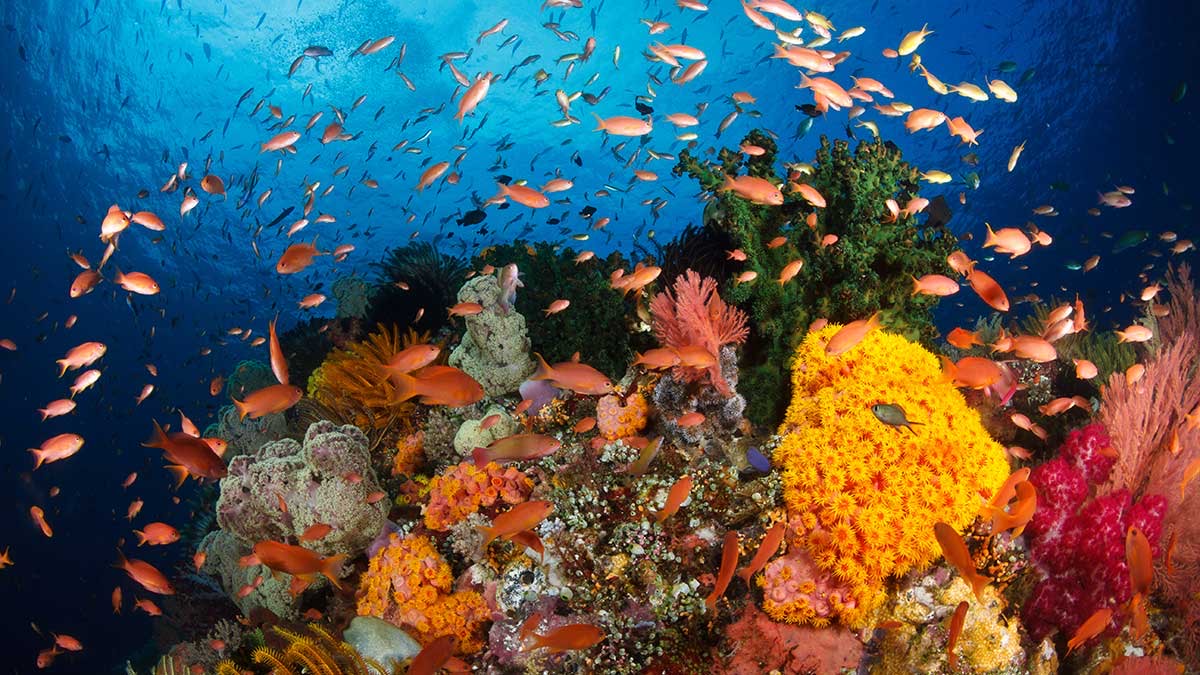
Raja Ampat hosts 75% of all known coral species but faces increasing fishing pressure threatening this irreplaceable ecosystem
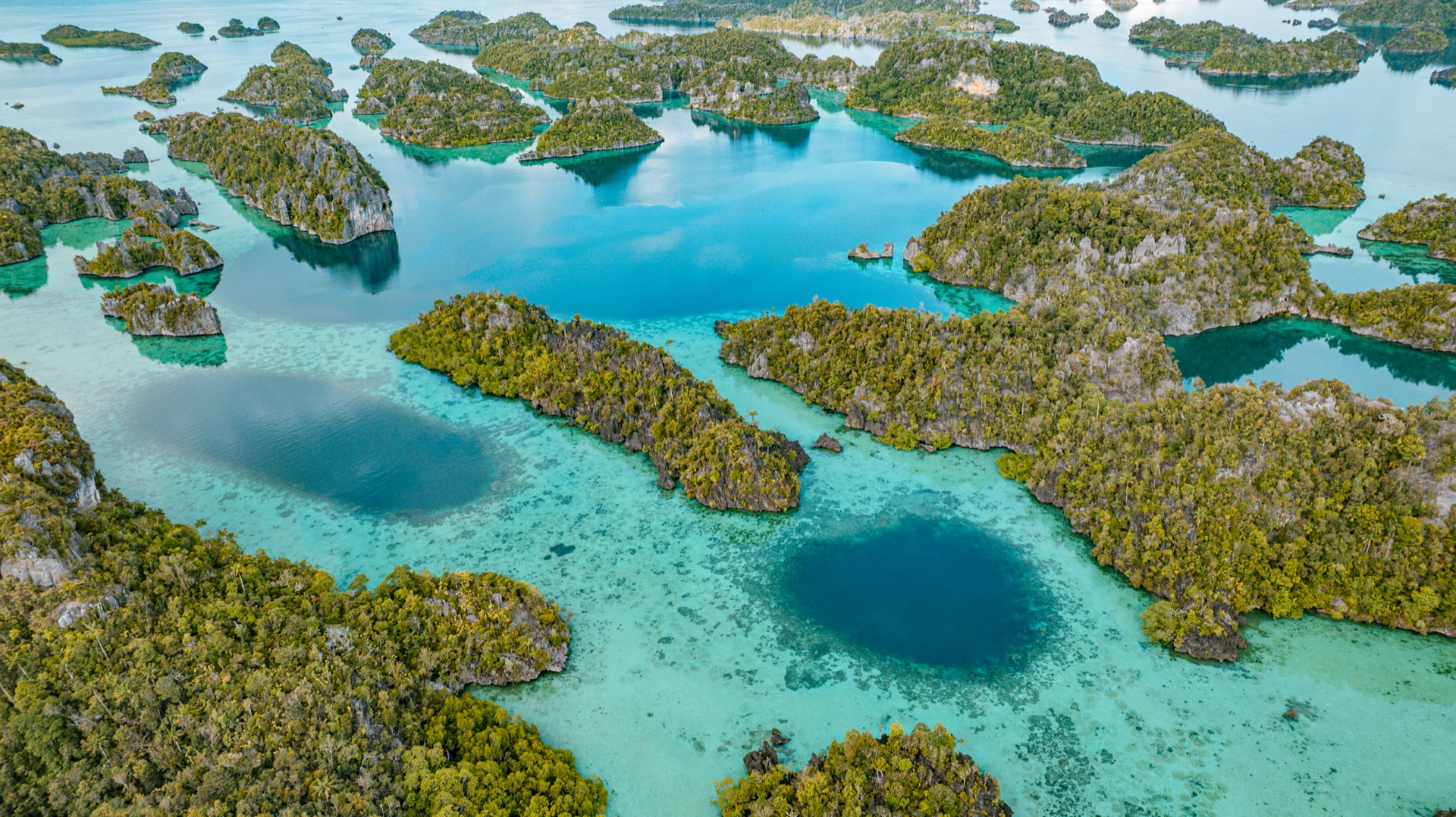
Establishing a 250 sqkm community-led Marine Protected Area in Raja Ampat, Indonesia, where local communities safeguard the world's most biodiverse coral reef ecosystem
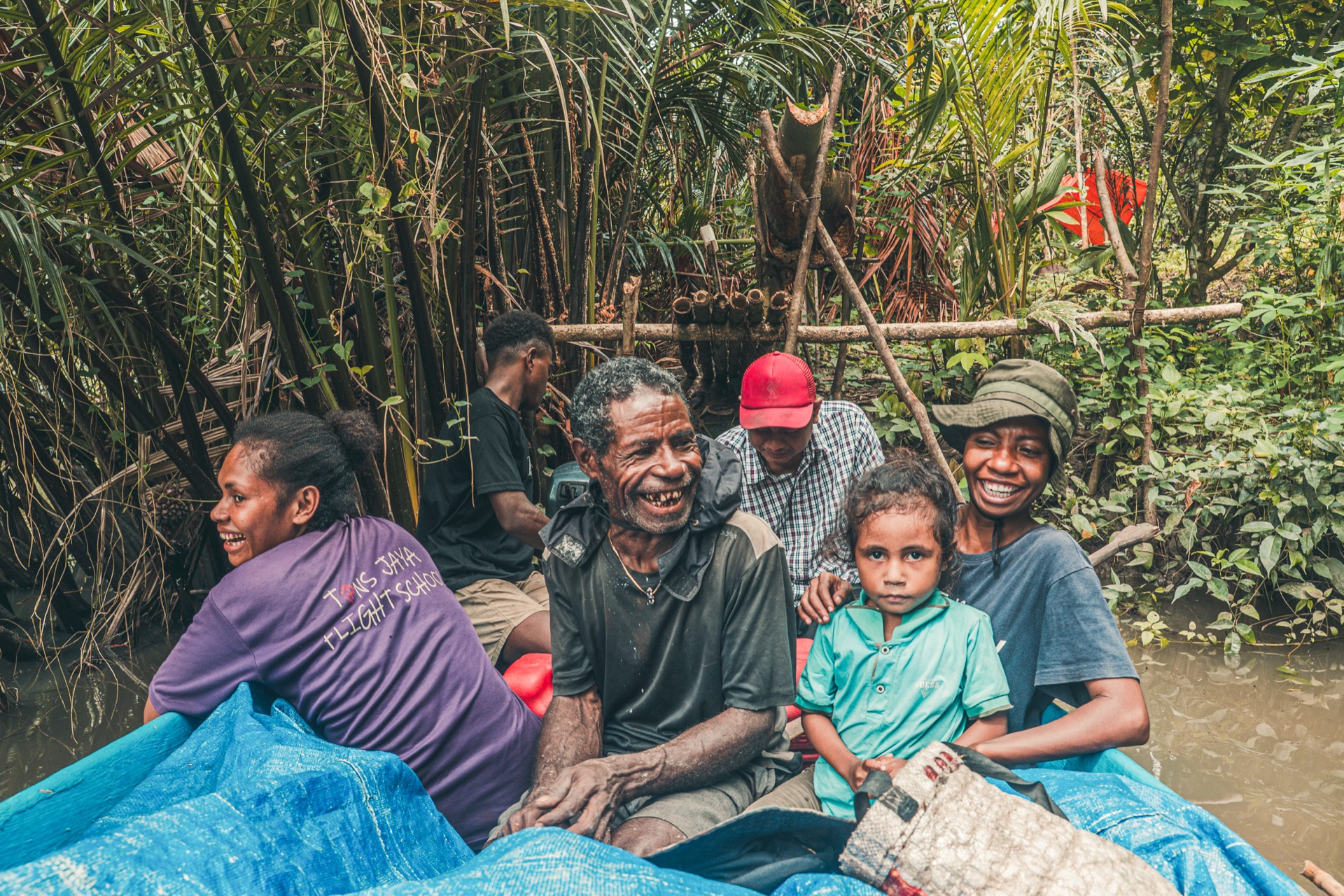
Our mission is to combine conservation work with real community collaboration and development in the provinces of Papua. Our ecosystems can only thrive in the long-term, if people have a chance to prosper too.- West Papua Care
We're establishing a community-led No-Take Zone Marine Protected Area that benefits both marine ecosystems and neighboring fishing communities by boosting fish populations through spillover, securing food resources, enhancing ecotourism potential, and strengthening climate resilience through healthy habitats.
Located in the global epicenter of marine biodiversity with the highest fish species richness on Earth, the Misool region represents a critical habitat for threatened species including Napoleon wrasse, Hawksbill and Green sea turtles, Bumphead parrotfish, and reef sharks.
Raja Ampat hosts 75% of all known coral species but faces increasing fishing pressure threatening this irreplaceable ecosystem
Cyanide fishing, blast fishing, shark finning, and turtle poaching continue to devastate reef ecosystems and marine life
Loss of traditional management systems (sasi) is weakening community resource governance that protected these waters for generations
Illegal fishing from neighboring islands threatens biodiversity hotspots and local community livelihoods
Traditional indigenous governance meets conservation science to safeguard the world's most biodiverse marine ecosystem for generations to come. With strong community and traditional leaders support, we have a window of opportunity to protect this irreplaceable ecosystem.